Solid-Gas Separations
Particle removal from gas streams is a challenging unit operation in gas production, processing and transmission scenarios. Fine solids generated from corrosion, chemical reactions in the gas phase, catalyst fines and adsorbent beds are easily dispersed in process gas streams. Those solids can accumulate resulting in fouling of towers, pipelines, exchangers, vessels and instruments. Fouling can severely limit throughput, reliability and profitability.
Optimize Your Critical Processes
Our solid-gas separations technology can extend online life, improve operator interface and operability and reduce disposal costs.
Industries Served
Gas Processing Plants
Acid gas treating and dehydration systems
Oil and Gas Production
Upstream applications
Natural Gas Transmission
Pipeline quality gas preparation
Refining
Process gas conditioning and treating units
Petrochemical
Feed gas preparation and product purification
Power Generation
Turbine fuel gas conditioning and compression
Our Proven Process: Simple Implementation, Lasting Impact
01
Assess
Analyze frequency and duration of downtime, process upsets, and off-spec events to trace root causes of contamination.
02
Specify
Perform contaminant characterization, then select media and technology to address specific process needs and compatibility.
03
Deploy
Install upgrades – often without cutting or welding – to minimize disruption. Retrofit solutions leverage existing vessels wherever possible.
04
Monitor
Track filter run life, pressure drop and system performance to optimize change-out cycles, often using facility historian data for validation.
Technical Innovations and Value
High-Efficiency Media Technology
Delivers absolute or beta-rated removal down to sub-micron levels.
No Major Capital Expense Required
Case-validated revenue impacts and OPEX reductions pay back upgrades, often in a single run. This improves operating excellence with minimal investment.
Differential Pressure (ΔP) Monitoring
Supports proactive maintenance and performance validation, reducing labor and enhancing reliability.
Optimized Element Design
Retrofittable to most existing vessels, built for positive O-ring sealing, superior chemical compatibility and ergonomic change-outs.
4-Cs Methodology:
Capability, Compatibility, Characterization and Cost; ensuring each filter is engineered for your exact service and delivers the expected return.
Applications for Solid-Gas Separation Technology
Our separation and filtration technology can be applied in a variety of settings to address contamination challenges, protect equipment and support product recovery.
Natural Gas Production & Transmission
Black Powder Removal
Contaminants:
- Acid gas-induced corrosion products from carbon steel piping
- Formation contamination (coal-seam dust)
- Iron sulfide particles
- Iron oxide scale
- Molecular sieve dust
- Catalyst fine
Gas Processing
Amine Gas Treating Systems
Heavy hydrocarbons in feed gas that aren't removed before entering amine system
- Heavy hydrocarbons washed into amine
- Corrosion products (iron compounds)
- Hydrocarbon-particulate dispersions ("shoe polish")
- Heat stable salts
- Degradation products
Glycol Dehydration Units
Contaminants:
- Compressor lube oil
- Liquid hydrocarbons
- Iron oxide and corrosion products
- Pipe scale
- Formation solids
Inlet Separation Systems
Contaminants:
- Free liquids (water, condensate)
- Entrained liquids
- Solid particulates
- Formation sand
- Scale
Compressor & Rotating Equipment Applications
Compressor Lube Oil Carryover
Contaminants:
- Entrained lube oil droplets and mist
- Oil vapor
- Oil-wet particles
Refining Operations
Sour Water Stripper Units
Hydrocarbon dispersions that won't separate in residence tanks
Contaminants:
- Free and emulsified hydrocarbons (difficult to settle despite 3-5 day residence tanks)
- Particulate matter
- Iron sulfide
- Catalyst fines
- Coke fines
Fluid Catalytic Cracking (FCC) Catalyst Protection
Contaminants
- Iron particulates
- Nickel compounds
- Vanadium compounds
- Sodium
- Calcium
- Other heavy metals in feed
Hydroprocessing Units (Hydrotreating, Hydrocracking)
Contaminants
- Iron sulfide
- Catalyst fines from upstream units
- Coke particles
- Tramp metals
- Silicon compounds
- Ammonium chloride salts
Naphtha Custody Transfer
Contaminants
- Catalyst fines
- Water (free and emulsified)
- Corrosion products
- Particulate matter
- Salt
Fuel (Gasoline/Diesel) Custody Transfer
Emulsified water sent to salt driers causes channeling, which creates all downstream problems.
Contaminants
- Particulate contamination
- Emulsified aqueous contaminants
- Catalyst fines
- Corrosion products
- Rust
- Scale
Coker Unit Operations
Contaminants
- Coke fines
- Heavy particulates
- Iron sulfide
- High-density solids
Petrochemical Operations
Olefin Plants
Contaminants:
- Polymer fines
- Catalyst dust
- Iron compounds
- Coke dust
Heat Transfer Equipment
Heat Exchangers (Shell and Tube, Plate)
Contaminants:
- Particulates
- Iron oxide
- Corrosion products
- Organic deposits
- Salts
- Biological growth
Turbine & Power Generation
Gas Turbine Fuel Conditioning
Contaminants:
- Particulates (>0.3 micron harmful)
- Liquid hydrocarbons
- Water droplets
- Pipe scale
- Rust
- Compressor oil
Chemical Production
Batch & Continuous Chemical Processing
Contaminants:
- Catalyst residues
- Process aids
- Reaction byproducts
- Unreacted monomers
- Gel particles
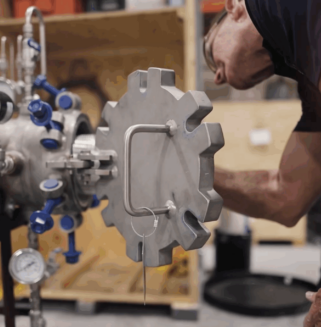
After Market Services
Filter Replacements, Lab Testing, Field Services and More
The work to keep our customers’ processes functioning efficiently doesn’t stop once a separator or filtration system is in place. Transcend Solutions is committed to process optimization from start to finish. We’re here to help with filter repurchases, lab testing, field service, rental units and custom manufacturing – all tailored to each customer’s specific needs.