Solid-Liquid Separations
Transcend filtration and separation solutions target contamination issues that undercut uptime, throughput and product quality. Our technology delivers measurable reliability, backed by real-world case studies across amine, glycol, NGL and refinery systems without extensive capital expense or downtime.
UNLOCK OPERATING EXCELLENCE
Protecting Gas Treating, Fractionation and Critical Processes—
Without Heavy Capital Spend
Industry data and field studies consistently show that behind each unplanned outage, process upset or off-spec product lies a common root cause: contamination. Whether it’s solid particulates, emulsified liquids or corrosion byproducts, failing to control contaminants means persistent lost productivity, unnecessary shutdowns and higher operating expenses.
Industries Served
Gas Processing Plants
Acid gas treating and dehydration systems
Oil and Gas Production
Upstream applications
Natural Gas Transmission
Pipeline quality gas preparation
Refining
Process gas conditioning and treating units
Petrochemical
Feed gas preparation and product purification
Power Generation
Turbine fuel gas conditioning and compression
Our Proven Process: Simple Implementation, Lasting Impact
01
Assess
Analyze frequency and duration of downtime, process upsets, and off-spec events to trace root causes of contamination.
02
Specify
Perform contaminant characterization, then select media and technology to address specific process needs and compatibility.
03
Deploy
Install upgrades – often without cutting or welding – to minimize disruption. Retrofit solutions leverage existing vessels wherever possible.
04
Monitor
Track filter run life, pressure drop and system performance to optimize change-out cycles, often using facility historian data for validation.
Technical Innovations and Value
High-Efficiency Media Technology
Delivers absolute or beta-rated removal down to sub-micron levels. Improved droplet growth maximizes separator performance for liquids and aerosols.
No Major Capital Expense Required
Case-validated revenue impacts and OPEX reductions pay back upgrades, often in a single run. This improves operating excellence with minimal investment.
Differential Pressure (ΔP) Monitoring
Supports proactive maintenance and performance validation, reducing labor and enhancing reliability.
Optimized Element Design
Retrofittable to most existing vessels, built for positive O-ring sealing, superior chemical compatibility and ergonomic change-outs.
4-Cs Methodology:
Capability, Compatibility, Characterization and Cost; ensuring each filter is engineered for your exact service and delivers the expected return.
Field-Validated Results
33%+
Fewer Unplanned Outages
By eliminating catalyst bed fouling and heat exchanger plugging
2–3x
Extension of Bed/Runs
In fractionators and amine/glycol treating plants
$2M+
Annual Savings per Train
Achieved in NGL fractionation through element upgrades alone.
>80%
Reduction in Off-Spec Batches
After implementing high-efficiency finished product filtration.
<1 Year
Payback
OPEX savings so significant that upgrades often justify themselves within months
Solutions: Industry-Proven Contamination Control
Our separation and filtration technology comes in many shapes and sizes to address various challenges encountered in oil and gas, petroleum refining, petrochemical and other process industries.
Amine System Excellence
Upgraded gas coalescers and high-efficiency particulate removal curb foaming, stop corrosion build-up and prevent routine downtime. In a major plant, improving aerosol separation with Transcend internals ended recurring throughput losses—with no vessel cutting or welding.
Circulating Solvent Systems Reliability
Closed, circulating solvent treating systems such as glycol dehydration, acid gas treating systems aromatics extraction units and others accumulate solids from corrosion and from inlet product streams. Effective filtration is paramount to minimizing fouling, heat transfer loss across exchangers, deposition and foaming that lead to process upsets.
NGL Fractionation and Custody Transfer
Front-end particulate filtration and advanced solid-liquid separation arrest downstream equipment fouling and extend adsorbent lifecycles. Transcend provides consistent, superior product quality at loading racks, pipeline connections, tank farms and blending points through effective solids filtration. At one fractionator, adapting only the separator elements led to immediate stabilization of molecular sieve beds and major cost reductions without installing new vessels.
Finished Product and Back-End Filtration
Clear, on-spec products are delivered with advanced particulate and haze-removal filtration.
Sitewide Liquids Filtration
Across midstream and downstream, Transcend solutions target hydrocarbon, water and specialty fluid systems to reduce OPEX and unplanned outages, enabling operating excellence without high CAPEX barriers.
After Market Services
Filter Replacements, Lab Testing, Field Services and More
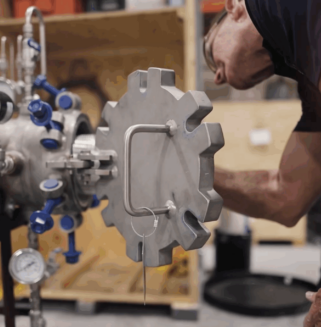
The work to keep our customers’ processes functioning efficiently doesn’t stop once a separator or filtration system is in place. Transcend Solutions is committed to process optimization from start to finish. We’re here to help with filter repurchases, lab testing, field service, rental units and custom manufacturing – all tailored to each customer’s specific needs.